Travel as a Shortcut to Ambition
INTRO
When I was a kid, my grandfather sold his factory and his business. With the little money he walked away with, he spent it on taking us on holidays. That’s something I’m still deeply grateful for.
Those trips usually showed up in one of two ways.
One was a weekend in Wales, staying in a five‑star hotel. Something that felt impossibly fancy at the time, and something we all looked forward to.
The other was a pub lunch with the entire family. I’d have to ask him—very nervously—for an extra Coke or dessert at the end. My parents always made me ask. He’d chuckle, smile, and say, “Oh, I don’t see why not.”
What stuck with me wasn’t just the treats. It was the places.
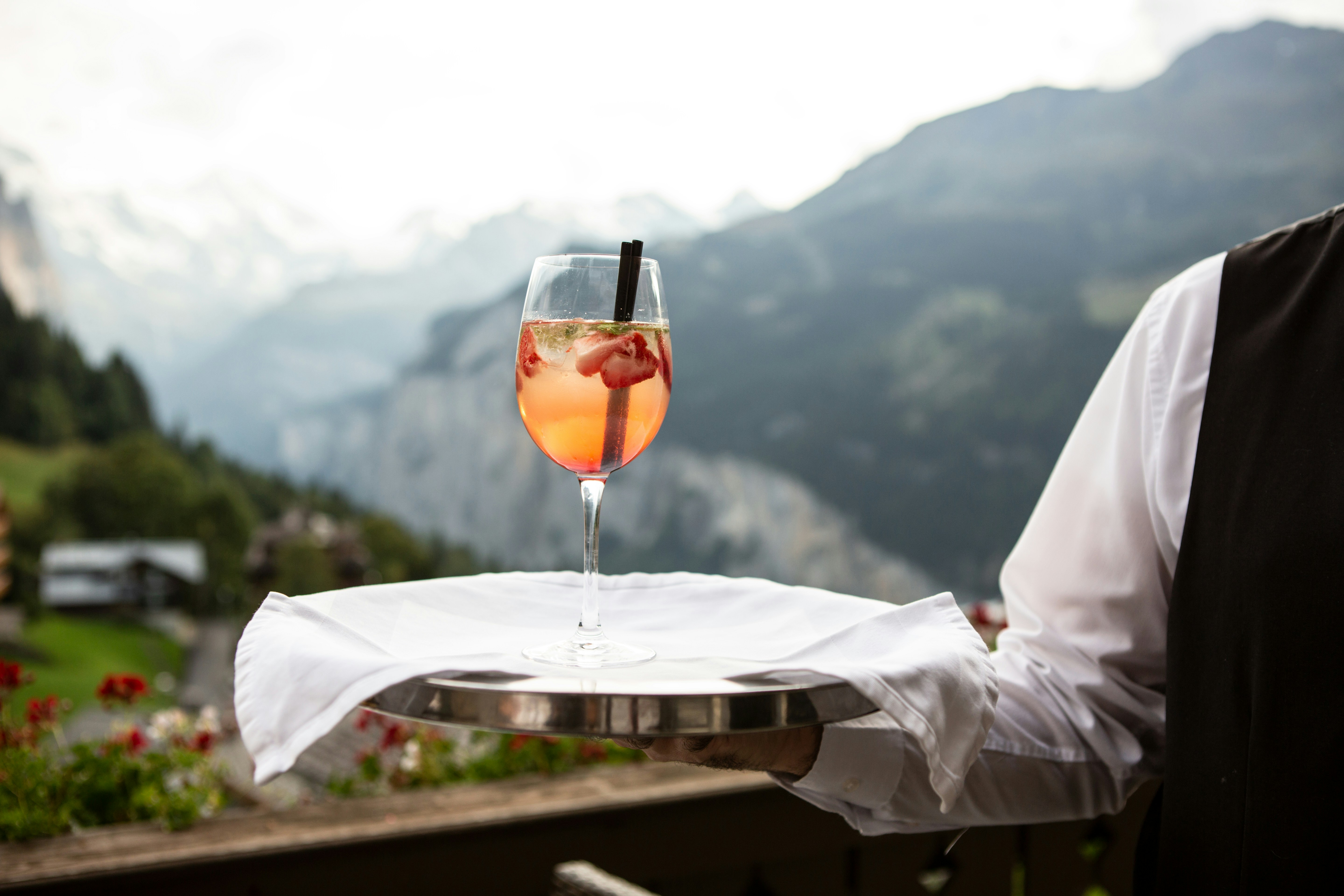
The hotels felt unreal. Almost like fantasy worlds. Everyone cared—the cart drivers, the receptionists, the gardeners. It was my first real exposure to wealth, even if I didn’t have the language for it yet.
I remember seeing someone arrive by helicopter for lunch, then take off again two hours later. That image burned itself into my brain.
Those experiences matter. They quietly rewire you.
Not in a “vision board” way. In a physics way.
When you put your body in a different environment—especially somewhere with a higher bar—you start calibrating to it. You notice the service, the pace, the confidence. You absorb the standards without trying.
That’s the hidden value of travel: it upgrades your reference points.
They make you ask a dangerous question: why can’t that be me?
That question is probably why I started pushing myself so hard. Why I became obsessed with matching—and eventually eclipsing—that version of life.
As I got older, I kept chasing that same feeling. Not out of envy, but out of curiosity. I wanted to see how the “other side” lived. How they ate. How they moved. What their normal looked like.
I’d visit beautiful places dead broke. Buy a single coffee. Sit there for hours just soaking up the atmosphere.
Other times I’d have lunch alone and keep working long after the plate was cleared.
Eventually, those places became workspaces. Hotel lobbies. Smart restaurants before the dinner rush. Quiet corners where I could take meetings and think clearly.
And again, I’d people‑watch. I’d feel that familiar mix of jealousy and motivation.
You can only see wealthy people living comfortably so many times before you ask yourself:
why the fuck can that not be me?
It was lonely sometimes.
But it was also electric.
IGUAZÚ FALLS, ARGENTINA (AND WHY IT CHANGES YOU)
If you ever get the chance, book the five‑star hotel in Iguazú.
It’s about $1,000 a night, and it has one of the best views I’ve ever seen in my life—right on the edge of Iguazú Falls.
Really.
My takeaway was simple and a bit aggressive (and I mean this lovingly):
Level the fuck up.
Not because money is the point. Because optionality is the point.
When you can say yes to experiences without negotiating with your bank balance, you move through the world differently. You make decisions faster. You take bigger swings. You stop playing small to protect yourself.
Make enough money that seven nights there means nothing to you. That’s $7k, by the way. When was the last time you spent $7,000 and genuinely didn’t give a fuck?
We managed three nights. All in, the trip was probably around $5,000 for three or four days away.
Worth it—not as a flex, but as an intervention.
If you’re building something (a business, a body of work, a life), you need occasional exposure to what “done right” looks like.
And here’s the thing—if you think you’re wealthy, wait until you see the people who stay in places like this regularly. Especially the older ones. Even more so when you actually talk to them and learn what they do.
Travel does that.
It shows you what’s possible.
It’s not just the views or the food. It’s the reminder that your current life isn’t the maximum setting.
And once you’ve seen it, you can’t unsee it.